

The Flowers Were Discarded, Their Dreams Were Not
Every morning, before the sun fully rises over the towns and villages of East Singhbhum, temple bells echo through the air. Devotees gather in prayer, offering flowers as symbols of faith, gratitude, and hope. By noon, those same flowers are swept away.
For years, the heaps of wilted marigolds left behind at temples were seen as waste, something to be discarded and forgotten. But for a group of women in East Singhbhum, these flowers have become the foundation of a new life.
Among them is Khusboo, a homemaker who once spent her days confined to household responsibilities, wondering if she could ever contribute financially to her family.
“Earlier, I never imagined that temple flowers could become a source of income for us,” she says with a smile. “Today, through this work, I am able to support my family’s expenses and stand on my own feet. More than the earnings, it gives me confidence and happiness. Every morning, I wake up knowing that I have meaningful work to look forward to.”
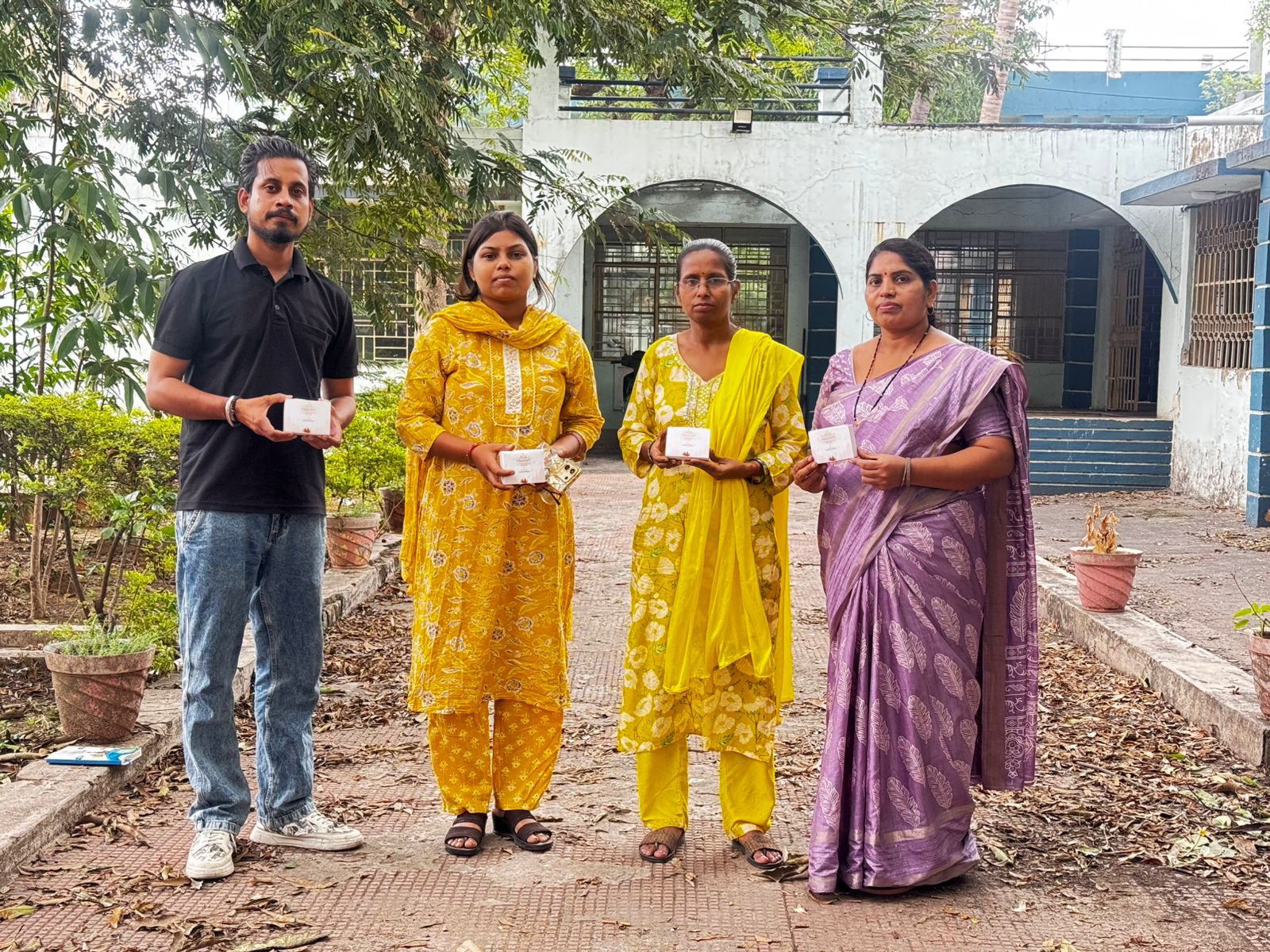
Khusboo today serves as Secretary of the Self-help group which is one among the many SHGs supported by Tata Steel Foundation. Presently, 30 women are associated with this program, together, they are part of an initiative that collects discarded flowers from temples across East Singhbhum and transforms them into decorative flower dhoop cones.
What was once considered waste now carries a second life and so do the women behind it.
The flowers are collected from temples including Ram Mandir (Sonari), Mauni Baba Mandir (Sonari), Manokamna Mandir (Sakchi), Tinplate Kali Mandir, Beldih Kalibari Mandir, Rankini Mandir (Jadugora), Harina Mandir (Potka) and Vaishno Devi Mandir (Galudih), and several others. After collection, the flowers are carefully segregated, dried, and processed before being turned into marketable products.
But the real transformation is not happening to the flowers. It is happening to the women.
For many of them, this is the first time they have stepped into entrepreneurship. They manage production schedules, maintain inventories, oversee quality, and interact with markets. Skills they never imagined possessing have become part of their daily routine.
Among these women is Pinki who works as a Cashier and manages financial records alongside production responsibilities. For her, the initiative has brought much more than a livelihood opportunity.
“I feel proud that I can financially support my family while being part of something that also helps the environment,” she says. “Working together with other women has given me happiness, independence and hope for a better future. Earlier, our mornings were routine household chores. Now, we start the day with enthusiasm and responsibility.”
The impact is visible. More than 5.5 tonnes of temple flower waste have been recycled through the initiative, generating over ₹61,000 in product sales. Yet the true value of the effort cannot be measured in numbers alone.
It can be seen in the confidence with which women speak about their work. It can be heard in their aspirations for their children. It can be felt in the sense of dignity that comes from earning an income and being recognized for their contribution.
The initiative is also creating a broader ripple effect. Communities are becoming more aware of waste segregation, reuse, and responsible consumption. Women who once viewed themselves solely as caregivers are emerging as leaders, entrepreneurs, and environmental champions.
To strengthen this growing movement, a dedicated production and training facility is being developed at the Bagunhatu Skill Centre. The centre will support manufacturing, skill development, inventory management and product innovation, helping the women expand both their production capacity and their ambitions.
As temple bells ring again tomorrow morning, fresh flowers will be offered in devotion.
And somewhere in East Singhbhum, women like Khusboo and Pinki will begin another day of transforming those discarded flowers into something beautiful—not just products, but stories of resilience, dignity, and hope.
Because sometimes, the most meaningful transformations begin with things that the world has already thrown away.